
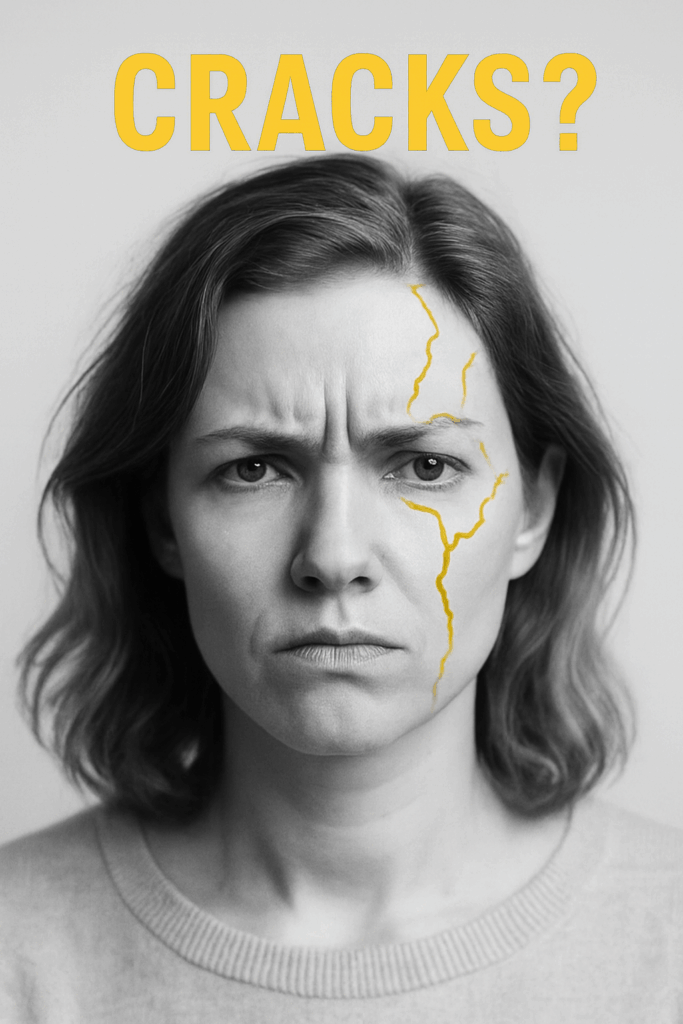
The mask we wear in life is not an enemy.
It protects us. It has carried us through situations we might not have survived otherwise.
But often, we don’t realize how much this mask also limits us.
When someone irritates us, when we are provoked by another’s behavior, it is not only an external trigger.
It is also a sign of what we were never allowed to express in ourselves.
The loud classmate who annoys you, the neighbor who triggers you – they are only holding up a mirror.
Not because they are “wrong,” but because they exaggerate something you don’t allow yourself.
Questions like:
“What or who stops me from acting that way?”
bring back old voices: “Don’t cry. Be good. Don’t be so loud. Sit still. Behave.”
And so we learn to hide parts of our aliveness – behind a mask.
Or maybe you hear sentences like: “That’s just not what one does.”
But who is this one?
Is it not simply the conventions of our culture that we never question, yet which still shape us?
Individuation does not mean tearing off our masks.
It means lovingly recognizing what they protect.
Beneath them lies not danger, but unbroken strength, vitality, and aliveness.
The path inward does not first lead to the truth about the world – but to the truth about ourselves.
And when we begin to live that truth, we are no longer captives of our masks.
We begin to exist, unfiltered and real.